Warhounds Early Campaign Survival Guide
Pick contracts your current squad can finish—then extract before greed rewrites the med bay.
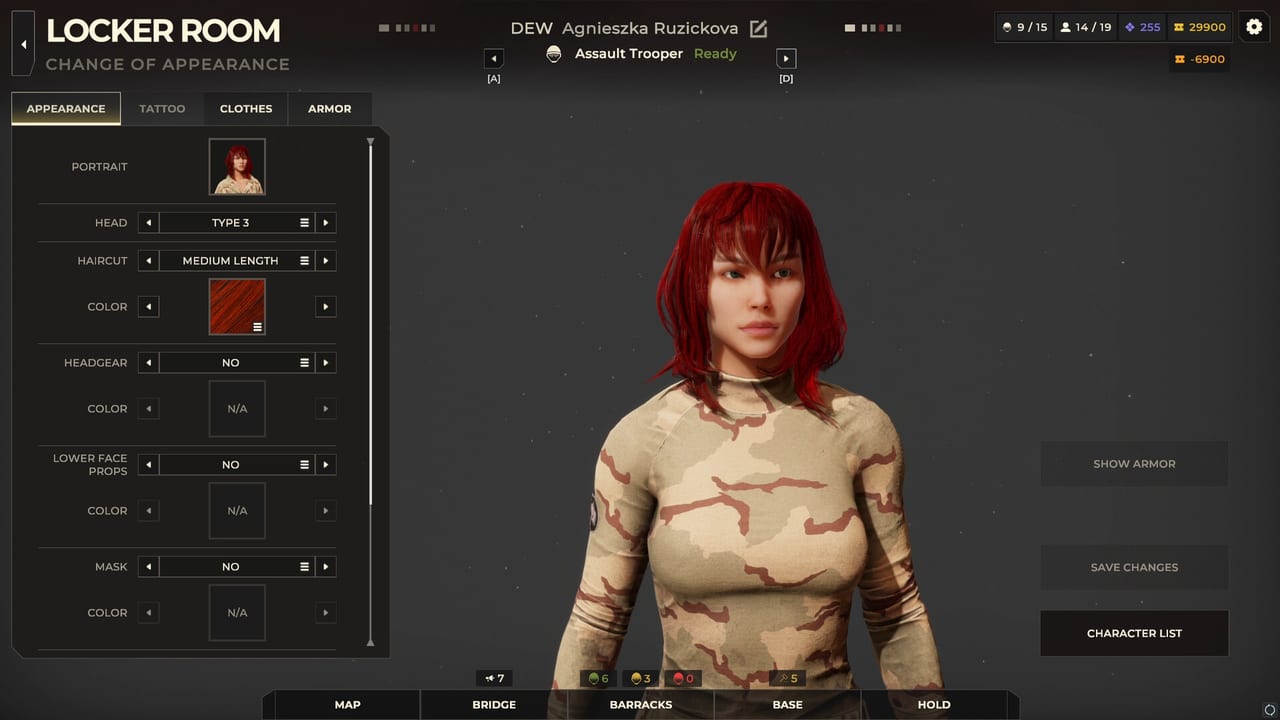
The early campaign is where Warhounds decides whether you command a company or a cemetery. This guide focuses on the first stretch of the single-player Steam release (August 11, 2026): contract selection, mission pacing inside the 25–40 minute window, roster rotation, and faction-aware planning. It assumes you already skimmed Getting Started and can follow the shooting rules in Ballistics Combat. Logistics details live in Base Management; UI speed lives in Controls; the index is the Guides Hub.
Early-campaign goals (in order)
- Finish contracts cleanly — Objectives complete, squad extractable, no hero sidequests.
- Protect named veterans — Replaceable gear is cheap; irreplaceable experience is not.
- Build class coverage — Assault, Specialist, Sniper, Machine Gunner, Grenadier represented across the roster.
- Stabilize the ledger — Med supplies, tools, and a cash buffer before luxury shopping.
- Learn one system per week — Cones one stretch, cover breaks the next, faction payoffs after that.
If a decision helps highlight-reel kills but threatens goals 1–2, decline it.
Choose contracts like a logistics officer
Not every available mission is a good mission. Early on, prefer jobs that match your real kit:
- Long open approaches favor Snipers and Machine Gunners with cone denial.
- Dense interiors favor Assaults, Specialists with scanners/smoke, and Grenadiers who can rewrite cover.
- Intel-poor contracts demand Specialist tools before you accept them—not after the ambush.
Faction-tied offers can look lucrative while quietly steering your reputation. Take early alliances that unlock steady support rather than swinging wildly for a single exotic payout. Consequence systems are part of the fantasy; treat them as campaign navigation, not side flavor.
Play to the 25–40 minute design
Warhounds missions are built as sharp tactical episodes, not endless clearance ops. A healthy early-campaign habit is to track tempo:
- Minutes 0–10: scout, seize a foothold, place the first serious overwatch cones.
- Minutes 10–25: break the key cover or flank, delete the mission-critical threats, push the objective.
- Minutes 25–40: finish, loot only what sits on the exit path, leave.
If you are still “clearing the block” at minute fifty, you are paying in injuries for vanity XP. That bill arrives in the med bay and stalls the whole single-player schedule.
Opening loadouts that forgive mistakes
You do not need a perfect meta. You need forgiveness:
- Specialist tools — Scanners, drones, smoke, optical camo reduce blind corners and cone walks.
- One reliable closer — An Assault who can finish after the lane is softened.
- One denial piece — Machine Gunner cones teach map control faster than another pure DPS body.
- A cover answer — Grenadier charges saved for hardpoints, not opened on the first cluster.
- A long lane — Sniper presence so enemies cannot stand upright on rooftops forever.
Revisit shopping rules in Base Management whenever a wipe autopsy points to a missing tool rather than a missing “skill issue” speech.
Roster rotation beats hero addiction
Early campaigns die when one stylish operator plays every minute of every map. Rotate:
- Bench anyone heavily wounded even if their rifle is your favorite.
- Bring B-team compositions on lower-risk contracts to grow depth.
- Recruit to fill absences before you chase duplicate damage dealers.
Because there is no multiplayer revive from a friend, depth is your multiplayer. Two competent fireteams will carry farther than one legendary quartet that collapses together.
Combat priorities that match campaign stakes
Translate ballistics into campaign policy:
- Do not take hopeful long bursts when a reposition creates a cleaner first-round shot.
- Respect continuing miss paths near allies.
- Break or bypass cover on purpose; do not trust soft walls for multiple enemy turns.
- Place cone overwatch on the counterattack route after you commit a loud push.
Full detail sits in Ballistics Combat. Early campaign simply means you cannot afford to ignore those rules “until later.”
Difficulty and ego management
Sliders exist so you can learn. A slightly gentler early campaign where you master cones and extracts will teach more than a brutal setting you restart every evening. Increase pressure when your base checklist is green and your average mission ends inside the target window. Decrease it if you are bleeding veterans faster than you can recruit.
Early-campaign failure patterns
- Accepting a faction contract that demands Grenadier solutions you have not bought yet.
- Spending the war chest on prestige optics while medical is empty.
- Overstaying maps to hunt optional fights after the objective is done.
- Ending turns inside obvious denial cones to force a cinematic clip.
- Ignoring intel because the mission marker paid more on paper.
Each pattern is reversible if you catch it in the first dozen missions. After that, the hole gets expensive.
A weekly rhythm that works
- Run one or two contracts that fit the current roster.
- Return to HQ: heal, restock, recruit gaps, review faction standing.
- Spend a short session in Controls only if UI friction is still stealing decisions.
- Read one sibling guide deeply instead of skimming five.
- Push difficulty or harder factions only after clean extracts become normal.
What “ahead of schedule” looks like
You are doing well when:
- Missions usually resolve near the 25–40 minute mark
- At least four classes are represented on the wider roster
- The med bay is a rotation tool, not a morgue waiting room
- You can explain why you took the last contract in one sentence tied to kit and faction goals
When those are true, branch into harder jobs without panic. Until then, stay humble, stay mixed-class, and keep extracting on time.
The commanders who look unstoppable in mid-campaign are usually the ones who treated the opening weeks like professional logistics—not a highlight reel. Stack clean contracts, protect your veterans, and let ballistics mastery compound instead of resetting with every burial detail.
Frequently Asked Questions
Quick answers to the most common questions.
How long should early Warhounds missions take?
Stay near the designed 25–40 minute window. If you routinely overstay to clear optional rooms, you are buying injuries with vanity fights.
Should I take every faction contract that appears?
No. Match contracts to your real kit and long-term allies. Early consistency usually beats chasing every exotic offer.
When do I raise difficulty?
After clean extracts, a healthy med bay, and mixed-class bench depth feel normal. Do not raise difficulty to fix boredom caused by overfighting maps.
Is the early campaign built for multiplayer?
Warhounds is single-player only on Steam. Build bench depth as your safety net instead of relying on a partner.
What should I study if early missions feel unfair?
Review Ballistics Combat for cones, cover, and burst penalties, then Base Management for heal/tool priorities before the next deploy.